Introduction
The exterior of a commercial building sets the tone for its professionalism, safety, and functionality. High-quality commercial windows and doors installation not only boosts curb appeal but also enhances energy efficiency, improves security, and supports regulatory compliance. From retail stores and corporate offices to healthcare facilities and schools, commercial doors and windows play a critical role in both form and function.
In this comprehensive guide, we will walk you through everything you need to know about commercial window and door systems — from material choices to installation processes, compliance standards, and long-term maintenance.
Why Commercial Windows and Doors Matter
Commercial windows and doors are more than entry points or light sources — they are strategic assets for any building.
Key Benefits:
- Enhanced Energy Efficiency: Keeps indoor temperatures stable and reduces HVAC costs.
- Security and Safety: Protects against unauthorized entry, fire, and external damage.
- Professional Appearance: Adds to the branding and perception of the business.
- Compliance: Meets building codes and ADA standards.
- Functionality: Supports smooth operation, natural lighting, and ventilation.
Types of Commercial Doors
Choosing the right type of commercial door depends on the building’s purpose, traffic, and safety needs.
1. Aluminum Storefront Doors
- Popular for retail spaces
- Lightweight yet durable
- Often used with large glass panels
2. Glass Entry Doors
- Provide visibility and natural light
- Laminated or tempered glass for safety
- Can be automatic, swinging, or sliding
3. Steel Security Doors
- High strength and durability
- Suitable for back entrances, warehouses, or utility areas
- Offers fire and impact resistance
4. Fiberglass Doors
- Corrosion-resistant and lightweight
- Ideal for healthcare or humid environments
- Low maintenance
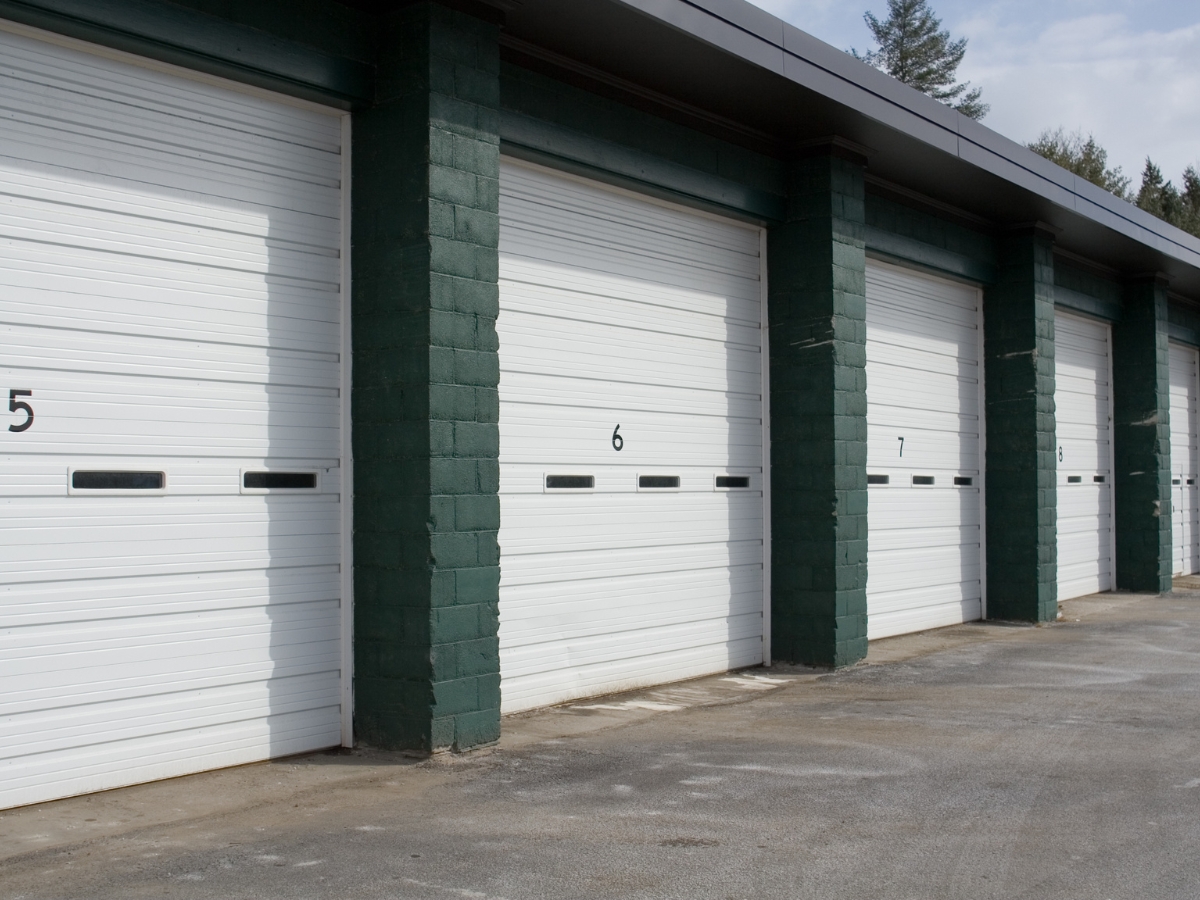
5. Rolling Steel Doors
- Used for loading docks, garages, and security shutters
- Compact and space-saving
Types of Commercial Windows
Just like doors, commercial windows vary by function, insulation, and style.
1. Fixed Windows
- Do not open; used for aesthetics and natural light
- Often combined with other window types
2. Casement Windows
- Hinged on the side, opens outward
- Provides excellent ventilation
3. Awning Windows
- Hinged at the top, opens outward
- Common in high-traffic or high-moisture areas
4. Sliding Windows
- Open horizontally
- Easy to use and maintain
5. Curtain Walls and Window Walls
- Full-glass systems for modern buildings
- Offer dramatic appearance and panoramic views
Materials Used in Commercial Windows and Doors
1. Aluminum
- Lightweight and corrosion-resistant
- Ideal for modern storefronts and frames
2. Steel
- Highest strength and security
- Fire-rated options available
3. Vinyl
- Cost-effective and energy efficient
- Suitable for interior partitions
4. Wood
- Aesthetic and customizable
- Usually limited to interiors or historical restorations
5. Glass Types
- Tempered, laminated, low-E, insulated, or impact-resistant glass
Commercial Windows and Doors Installation Process
Professional installation is vital for durability, energy efficiency, and code compliance. Here’s a step-by-step breakdown:
Step 1: Assessment and Planning
- Evaluate building structure and material compatibility
- Determine dimensions, usage, energy code requirements
- Choose appropriate window/door systems
Step 2: Removal of Existing Units (if applicable)
- Safe removal of outdated or damaged doors/windows
- Repair or reinforce surrounding walls and frames
Step 3: Framing and Preparation
- Ensure the structure is level and plumb
- Use appropriate fire-rated or insulated frames
- Weatherproofing and sealing as necessary
Step 4: Installation
- Mount frames using anchors and insulation
- Insert windows or door panels with precision
- Install hardware: locks, closers, handles, and automation (if any)
Step 5: Final Sealing and Finishing
- Use caulking, weatherstripping, and flashing
- Conduct water and air infiltration tests
- Paint or finish as per client’s specification
Step 6: Inspection and Approval
- Ensure compliance with local building and fire codes
- ADA accessibility and energy-efficiency tests
- Sign-off and handover with certification
Compliance and Code Requirements
Proper commercial windows and doors installation must align with various regulations:
1. ADA Standards
- Door width: minimum 32 inches clear
- Handles: operable with one hand without tight grasp
- Automatic closers: required in many public facilities
2. Energy Code (IECC)
- U-factor and solar heat gain coefficient (SHGC)
- Low-E glass and insulation requirements
3. NFRC Labeling
- Verifies energy performance
4. Local Fire Codes
- Rated doors for stairwells, utility rooms, etc.
- Panic bars and egress hardware
5. Soundproofing Standards
- STC ratings for doors/windows in commercial zones
Cost of Commercial Window and Door Installation
Installation cost depends on materials, design complexity, and size.
| Item | Average Installed Cost (USD) |
|---|---|
| Aluminum Storefront Door | $1,200 – $3,500 |
| Steel Security Door | $900 – $2,500 |
| Full Glass Entry System | $3,000 – $7,000+ |
| Fixed Commercial Window | $400 – $1,000 per window |
| Curtain Wall Glass System | $25 – $75 per square foot |
Note: These are averages and may vary based on region and labor.
Maintenance Tips
- Quarterly Inspections: Check alignment, hinges, seals, and glazing.
- Lubrication: Keep door hardware and sliding tracks smooth.
- Weatherproofing Check: Inspect seals and caulking regularly.
- Glass Cleaning: Use non-abrasive materials to avoid scratches.
- Security Audit: Test locking mechanisms and access control systems.
Challenges to Avoid
- Using residential-grade materials in commercial applications
- Inaccurate measurements leading to ill-fitted units
- Poor weatherproofing causing leaks and mold
- Non-compliance with ADA or fire codes
- Lack of insulation impacting energy bills
Why Professional Installation Matters
Hiring a certified expert for commercial windows and doors installation ensures:
- Proper fit and seal
- Long-term durability
- Code and warranty compliance
- Safe handling of large glass or heavy steel units
- Time and cost efficiency
Final Thoughts
Investing in high-quality commercial windows and doors installation is a strategic decision that delivers long-term value in appearance, safety, and performance. Whether you’re opening a new storefront, upgrading an existing facility, or building a new complex, selecting the right systems and installing them professionally is critical.
Prioritize efficiency, safety, and compliance — and always work with trusted professionals to ensure your investment stands the test of time.